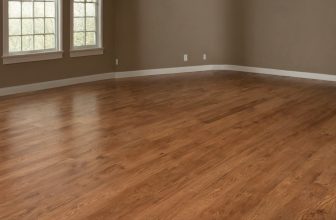
A square-foot price is not a flooring decision until the contractor measures the rooms, inspects the existing floor, defines preparation, prices finish edges, and states what conditions trigger a change order.
Homeowners usually want a fair laminate flooring installation cost, but the bid can hide the work that makes the floor last. The risky items are the slab, plywood, moisture, doorways, stairs, furniture, demolition, and unfinished edges that appear after the old floor is removed.
What should a laminate flooring installation cost estimate include beyond the square-foot price?
A complete laminate flooring estimate should separate material, labor, subfloor preparation, moisture control, underlayment, trim, transitions, demolition, disposal, furniture handling, and stair work so the homeowner can compare scope instead of guessing from one bundled number.
In many 2026 residential bids, basic installed laminate floor coverings often fall around $4 to $10 per square foot. Thicker products, difficult access, occupied-home phasing, leveling, stairs, custom transitions, or baseboard work can push the total higher.
A bid checklist shows which laminate flooring line items are included, excluded, or allowance-based
| Bid line item | What the estimate should say | What to verify |
|---|---|---|
| Laminate floorboards | Product, thickness, wear rating, color, waste allowance, and carton overage | Delivery, storage location, and matching spare planks |
| Installation labor | Floating-floor installation in listed rooms | Closets, angled halls, plank direction, and long runs |
| Underlayment | Attached pad, separate pad, vapor retarder, or sound underlayment | Manufacturer requirements and building rules |
| Trim and transitions | Base shoe, reducers, T-moldings, end caps, and door undercutting | Price per opening or linear foot |
| Removal and disposal | Old flooring removal, haul-off, dump fees, and recycling if available | Debris plan and whether haul-off is included |
Disposal belongs in the scope. The U.S. Environmental Protection Agency treats construction and demolition debris as a waste category separate from municipal solid waste, and EPA estimates include renovation materials such as wood products. EPA’s 2018 table reported 600,330 thousand U.S. tons generated and 143,780 thousand U.S. tons sent to landfill. EPA construction and demolition debris data
The lowest laminate flooring bid is risky when it leaves site preparation undefined
A low bid becomes expensive when the old floor comes up and the contractor finds slab ridges, high plywood seams, adhesive residue, water staining near sliders, damaged casing, or missing transition details. The estimate should name the prep allowance before the crew starts.
Indoor planning also matters during preparation. The U.S. Environmental Protection Agency identifies building materials, furnishings, paints, varnishes, waxes, and cleaning products as common indoor sources of volatile organic compounds, so adhesive removers, primers, patching compounds, and finish products should be scheduled with ventilation in mind. EPA indoor air quality guidance
Before signing, ask for photos at two checkpoints: the existing flooring before demolition and the exposed subfloor before laminate floorboards are installed.
Subfloor flatness is one of the main reasons laminate flooring installation cost changes
Subfloor flatness changes laminate flooring installation cost because floating laminate floorboards need a stable, even base to lock together, stay quiet, and avoid edge stress under foot traffic.
How contractors verify subfloor flatness before installing laminate floorboards
A laminate estimate should include a flatness check before the contractor promises a fixed installation price. Many laminate floor coverings require the subfloor to be flat within about 3/16 inch over 10 feet, or a similar manufacturer tolerance. High spots can stress locking edges. Low spots can create bounce and clicking.
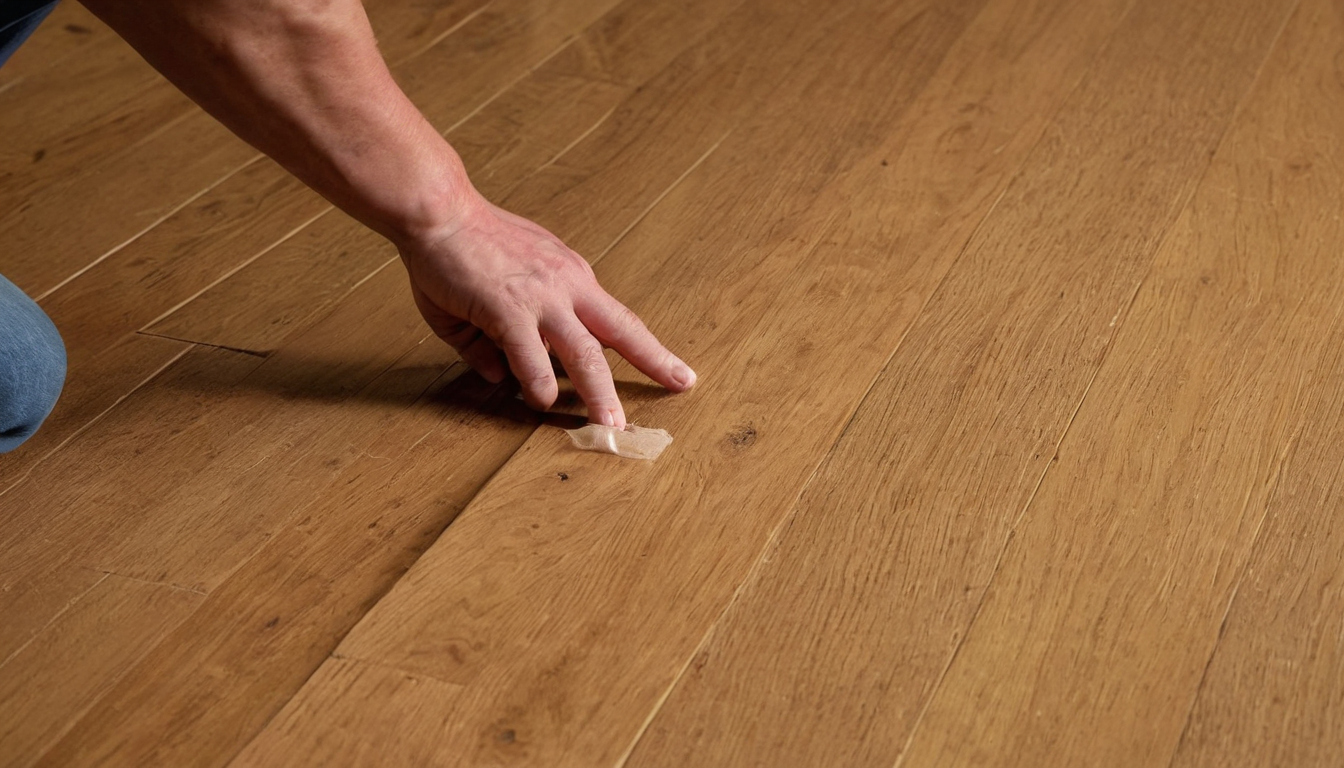
A competent estimator checks doorways, slab seams, patched plywood, hallway transitions, and areas where carpet tack strip or old tile adhesive was removed. A long straightedge, a flashlight, and pencil marks give the homeowner a visible record of where preparation belongs in the bid.
- Ask for the measuring method: The contractor should use a 6-foot to 10-foot straightedge and mark high and low areas.
- Ask for the prep allowance: Minor scraping, sanding, or feather patching should be priced differently from whole-room leveling.
- Ask what product will be used: Patch, primer, self-leveling underlayment, plywood panels, or fasteners should be named.
- Ask about airflow: The U.S. Environmental Protection Agency recommends increasing ventilation when products that emit volatile organic compounds are used indoors. EPA guidance on VOCs and indoor air quality
Whole-room self-leveling, slab grinding, and plywood repair cost more because the installer needs extra materials, cure time, cleanup, and a second inspection before laminate floorboards go down.
When subfloor repair becomes structural work instead of flooring preparation
Subfloor repair becomes structural work when the floor moves, feels soft, shows rot, has loose sheathing, has active cracking, or has moisture-damaged panels. A flooring installer can correct small surface irregularities, but a carpenter, concrete repair contractor, or remediation specialist may be needed before installation continues.
- Soft plywood or OSB: Pause the flooring work and identify the cause before adding underlayment.
- Loose fasteners or squeaks: Re-fasten panels before a floating floor bridges movement.
- Wide slab cracks or vertical displacement: Evaluate before patching because movement can show through separated joints.
- Old adhesive ridges: Remove or encapsulate residue according to the flooring and patch product instructions.
- Low areas across several rooms: Require a written leveling scope, not a verbal promise.
Photograph every marked low spot, high ridge, soft panel, and crack before approving extra preparation.
Moisture testing changes the bid for waterproof laminate flooring and water resistant laminate flooring
Moisture testing changes the bid because waterproof laminate flooring and water resistant laminate flooring still rely on dry substrate conditions, protected seams, perimeter gaps, and manufacturer limits.
How to install laminate flooring if the floor has moisture concerns
The first diagnostic is the substrate, not the plank label. Concrete slabs should be checked with the moisture test method allowed by the laminate manufacturer, often an in-slab relative humidity test or a surface emission test. Wood subfloors should be checked with a moisture meter and compared with the manufacturer’s limit.
A contractor should price moisture work as a visible bid item. In a slab-on-grade room, the scope may need plastic vapor retarder film, moisture-rated underlayment, taped seams, or a manufacturer-approved liquid moisture control product before laminate floorboards are installed. Liquid moisture mitigation can cost much more because the slab must be cleaned, patched, and coated correctly.
Moisture concerns should stop installation when the slab has active seepage, hydrostatic pressure, recurring damp spots, or an unrepaired leak. The U.S. Environmental Protection Agency advises homeowners to fix wet or damp spots promptly to help prevent mold growth, which supports the practical flooring rule: do not trap a wet problem under new laminate floor coverings. EPA moisture guidance for homes
Ask for photos of meter readings, test locations, and the product label for any underlayment or moisture control material. The bid should also say who decides if the reading fails and what allowance applies before work continues.
Waterproof laminate flooring still needs expansion gaps and protected edges
Waterproof laminate flooring usually means the surface and locking system resist topical spills for the period and conditions stated by the manufacturer. Water resistant laminate flooring usually means shorter spill exposure and less tolerance for standing water. Neither label makes the floor suitable for a wet slab, a leaking dishwasher, or regular puddling unless the manufacturer approves that use.
Most floating laminate installations still need a perimeter expansion gap, commonly around one quarter inch or the manufacturer’s stated dimension, at walls, cabinets, pipes, door jambs, and fixed objects. Wet-area instructions may also require sealed perimeters, compatible sealant, or transition profiles that protect exposed plank edges.
Moisture testing changes the bid for waterproof laminate flooring and water resistant laminate flooring shown with practical context cues.
Trim, transitions, doors, and stairs can change laminate flooring installation cost more than homeowners expect
Trim and finish details change laminate flooring installation cost because they control how the new floor meets walls, doors, cabinets, stairs, tile, carpet, and exterior thresholds.
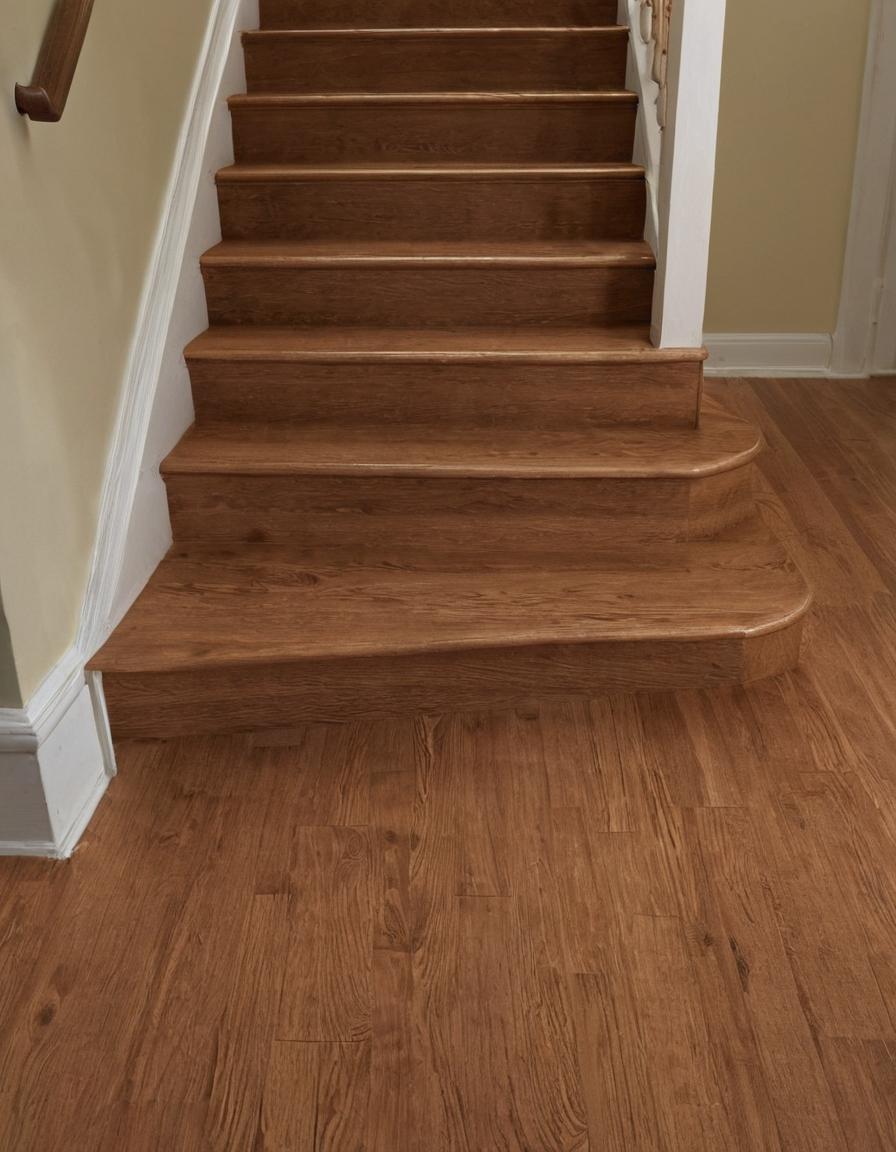
Trim, transitions, doors, and stairs can change laminate flooring installation cost more than homeowners expect shown as an editorial planning reference.
Laminate floorboards need room to move at fixed objects. The bid should say who covers that expansion space, who supplies trim, and who paints or caulks the finished edge. If the contractor leaves raw gaps at a sliding door or uneven cuts at a bathroom threshold, the square-foot price did not buy a finished room.
A trim schedule prevents surprise charges after laminate floor coverings are installed
A trim schedule is a room-by-room edge map attached to the estimate. The homeowner can mark it during the walk-through so the installer and client agree on every exposed edge before the first plank is cut.
- Living room: Remove and reinstall baseboards, add base shoe where needed, and undercut door casings.
- Kitchen: Install reducer at tile, leave expansion space at cabinets, and list any toe-kick detail.
- Hallway: Price T-molding at bedroom breaks and reducer at bathroom tile.
- Exterior or sliding door: Confirm threshold profile, sealant location, and whether a custom transition is needed.
- Closets: State whether base shoe continues inside or stops at the casing.
Base shoe or quarter round is often priced by the linear foot. Baseboard removal and reinstall may be separate. New baseboard with caulk and paint costs more because it adds carpentry and finish work.
Stairs should be priced separately from flat laminate flooring areas
Stairs are not just more square footage. A stair installation needs nosing, tread cuts, riser cuts, product-approved fastening or adhesive methods, and tighter visual alignment than a flat floating field.
Basic transition strips may be priced per opening. Reducers, T-moldings, end caps, and wide threshold pieces cost more when color-matched or special ordered. Stair nosing and full tread work should be listed per step or per tread-and-riser set, not buried in the room rate.
Before approving the finish scope, open every door over the proposed laminate floor coverings. Door slabs may need trimming, and jambs usually look cleaner when undercut so the floor slides beneath the casing.
Removal, disposal, furniture moving, and layout complexity affect the real flooring installation cost
Removal and access conditions affect the real flooring installation cost because crews must clear rooms, remove existing floor coverings, control dust, dispose of debris, and work around occupied-home constraints.
Existing flooring type determines demolition difficulty before laminate installation
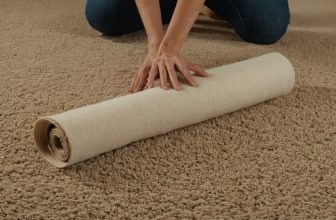
Existing flooring should be priced by material, not treated as one generic tear-out line. Carpet and pad usually come out faster than glued vinyl, full-spread adhesive flooring, ceramic tile, mortar beds, or layered floor coverings installed over older materials.
Simple carpet and pad removal is often a low per-square-foot charge. Glued vinyl scraping and tile demolition can climb quickly because each layer adds tool time, dust control, disposal weight, and floor prep. Ceramic tile removal may require chipping hammers, dust barriers, blade changes, and slab patching before laminate floorboards can sit flat.
The bid item to look for is demolition, adhesive removal, floor prep after demolition, haul-off, and disposal. Ask the contractor to identify the existing flooring in each room and photograph a floor vent, closet corner, or threshold edge before final pricing.
Disposal is a real scope item. The U.S. Environmental Protection Agency estimated that 600 million tons of construction and demolition debris were generated in the United States in 2018, more than twice the amount of generated municipal solid waste. A flooring quote should say whether debris leaves the home the same day, goes to a contractor trailer, or becomes the homeowner’s responsibility.
Room shape and plank direction affect laminate material waste and labor
Room layout changes cost because installers lose time on cuts, doorways, closets, hall turns, islands, and long continuous runs. A clean rectangle wastes less material than a chopped-up plan with closets, a pantry, and a hallway that changes direction.
Laminate floorboards usually need a waste allowance for offcuts and damaged boards. A common planning allowance is about 5 to 10 percent for simple straight layouts, 10 to 15 percent for angled layouts, and more for complex rooms with many jogs, closets, or diagonal plank direction.
Furniture moving also needs a written policy. Light furniture may be included, but beds, appliances, pool tables, aquariums, pianos, filled bookcases, electronics, and toilets are commonly excluded or priced separately. In an occupied home, crews may need to work in phases, protect doorways, cover cabinets, and maintain a walking path.
Before approving the quote, ask for a room-by-room layout note that shows plank direction, transitions, closets, furniture exclusions, demolition type, and waste percentage.

Removal, disposal, furniture moving, and layout complexity affect the real flooring installation cost shown with finish, fixture, and clearance relationships visible.
How should homeowners compare laminate flooring installation bids before approving a contractor?
Homeowners should compare laminate flooring installation bids by scope, product specification, subfloor assumptions, moisture testing, underlayment, trim, transitions, demolition, warranty, and change-order rules.
Big-box installation quotes and local contractor bids should be compared by scope, not brand name
Retailer quotes, flooring-store packages, and local contractor bids can all be reasonable. The name on the estimate does not prove the scope is complete. Make every bidder price the same work.
How should homeowners compare laminate flooring installation bids before approving a contractor shown with practical context cues.
- Room list and measured area: Require a room-by-room takeoff, closet count, waste allowance, and plank direction.
- Product specification: Identify the laminate floor coverings, wear rating, thickness, attached pad status, approved underlayment, and trim pieces.
- Subfloor assumption: State whether minor scraping is included and whether leveling, patching, squeak repair, or damaged sheathing is allowance-based.
- Moisture and slab conditions: Require documentation of damp areas, slab concerns, vapor retarder needs, and manufacturer-approved underlayment.
- Finish scope: Price base shoe, baseboard work, transitions, door trimming, closet tracks, appliance areas, and stair nosing separately.
- Administrative rules: Ask whether a condo association, HOA, building manager, or local rule requires sound-control documentation, work-hour limits, elevator padding, or written approval.
- Warranty terms: Get the manufacturer warranty and installer workmanship warranty in writing, including exclusions for moisture, tight expansion gaps, unapproved underlayment, or owner-supplied materials.
A final walk-through checklist catches laminate installation problems before payment
The final walk-through should happen before the last payment, while tools are still on site and trim touch-ups can be corrected without a return trip. Use daylight, open every door, and photograph each issue from enough distance to show the room location.
- Check visible seams for chips, lifted corners, uneven joints, and damaged locking edges.
- Walk the floor slowly and mark hollow sounds, squeaks, soft spots, or plank movement.
- Confirm expansion gaps are covered by trim but not packed tight with caulk, debris, or fasteners through the floating floor.
- Inspect transitions at tile, carpet, exterior doors, sliders, and bathrooms for secure fit and safe height changes.
- Open doors, closet doors, and appliance panels to confirm clearance over the new floor.
- Review trim caulk, nail holes, paint touch-ups, debris removal, spare plank delivery, and first-cleaning instructions.
Moisture concerns should not be treated as cosmetic punch-list items. The U.S. Environmental Protection Agency guide to mold and moisture says wet or damp spots should be fixed promptly to help prevent mold growth. Approve the contractor only when the written bid explains what is included, what triggers a change order, and what condition the finished laminate flooring must meet before final payment.
FAQ
How much does it cost to install 1,000 square feet of laminate flooring?
For 1,000 square feet, a basic installed laminate project often lands around $4,000 to $10,000 before unusual prep, stairs, custom trim, or moisture mitigation. The more useful question is whether demolition, underlayment, transitions, furniture moving, and disposal are included.
How do you install laminate flooring if the subfloor has moisture?
The contractor should test the slab or wood subfloor, compare the readings with the laminate manufacturer’s limits, correct active leaks or damp spots, and install only the approved vapor retarder, underlayment, or moisture-control system.
What is usually not included in a basic laminate flooring installation quote?
Basic quotes often exclude major leveling, damaged subfloor repair, glued-floor removal, tile demolition, baseboard replacement, paint touch-up, door trimming, stair nosing, heavy furniture moving, appliance handling, and condo sound documentation.
Does waterproof laminate flooring still need underlayment or a vapor barrier?
Yes, if the manufacturer requires it or the site conditions call for it. Waterproof laminate can resist topical spills under stated conditions, but the subfloor, perimeter gaps, seams, and slab moisture still need to meet the installation instructions.
Why do laminate flooring bids from retailers and local contractors vary so much?
Bids vary because each contractor may include different products, prep assumptions, underlayment, trim, demolition, access work, warranty terms, and change-order rules. Compare the written scope line by line before comparing the final price.